Looking for a place that feels charming and practical can be harder than it should be. You may want a walkable village feel, a real sense of history, and enough daily convenience to make life easier without giving up access to work, culture, or open space. In Katonah, that mix is a big part of the appeal, and understanding how it all comes together can help you decide if it fits your lifestyle. Let’s dive in.
Why Katonah Feels So Distinct
Katonah is not just a pretty Westchester hamlet with a train stop. Its identity is rooted in a rare local history. According to the Town of Bedford, the present-day village center took shape after the community was relocated in the late 1890s to make way for New York City watershed expansion.
That rebuilt village was guided by the Katonah Village Improvement Society and shaped in part by the Olmsted Brothers landscape firm. The result is a place that feels intentionally planned rather than pieced together over time. When you walk through Katonah, that sense of order and character is still easy to notice.
The Town of Bedford’s historic-district ordinance describes Katonah as a rare surviving planned community. It also notes that many of the contributing buildings were built or moved between 1895 and 1910. That preserved streetscape is a major reason the village still has such a strong old-village feel today.
Village Convenience in Daily Life
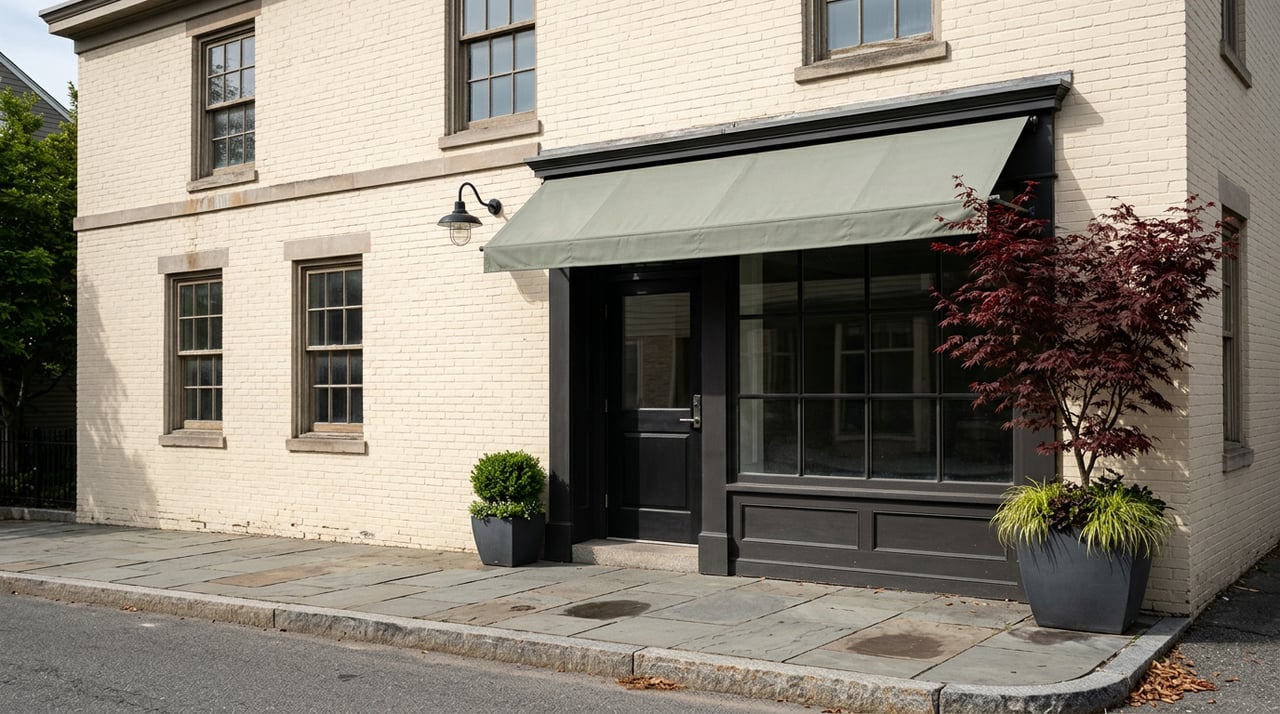
One of Katonah’s biggest strengths is how much of daily life is concentrated in a compact village-style core. The Katonah Chamber of Commerce lists a wide range of downtown business categories, including groceries, pharmacy, banking, health care, beauty, home and garden, restaurants, fashion, and entertainment. For you, that can translate into shorter errands and a more connected routine.
Instead of spreading your week across several different commercial areas, Katonah lets many everyday needs live within the same general orbit. That makes the village feel useful, not just attractive. It is one of the clearest examples of how charm and convenience work together here.
The village also stays active through recurring local events. The Chamber highlights programming like Art Walk, Saturday Strolls, Sidewalk Sale Days, and holiday events. These kinds of gatherings can make the downtown feel lively and familiar throughout the year.
Community Spaces That Add Value
Katonah’s appeal goes beyond errands and storefronts. Local institutions help shape the rhythm of everyday life and give the hamlet a stronger community feel. If you are looking for a place where there is more to do than simply head home after work, that matters.
The Katonah Village Library stands out as a community hub with deep ties to the hamlet’s history. Its story is closely linked to the village move, which helps connect present-day life to Katonah’s past. That kind of continuity gives the area more substance than a typical suburban downtown.
The John Jay Homestead Farm Market has also been held in downtown Katonah Village, adding a recurring outdoor market to the center of town. For many buyers, small details like this help define what daily life may actually feel like after the move.
Arts and Culture in a Small Hamlet
Katonah offers a cultural layer that feels unusually rich for a hamlet of its size. The Katonah Museum of Art brings exhibitions, lectures, workshops, family programming, and an outdoor sculpture garden to the area. That gives residents access to experiences you might not expect in a smaller village setting.
Caramoor adds another dimension to local life. It describes itself as a cultural destination on an 81-acre campus of gardens and woodlands in Katonah. That combination of arts and landscape helps create a weekend lifestyle that feels full without feeling urban.
Bedford Playhouse also contributes to the local cultural scene as a nonprofit cinema and community cultural center. Together, these institutions help Katonah feel active, polished, and grounded in more than just commuter convenience.
Outdoor Access Near the Village
If you want everyday life to include more than sidewalks and storefronts, Katonah has strong outdoor options nearby. The Katonah Chamber highlights destinations such as Ward Pound Ridge Reservation, the North County Trailway, Muscoot Farm, Lasdon Park and Arboretum, John Jay Homestead, birding, garden tours, and other trail-based recreation.
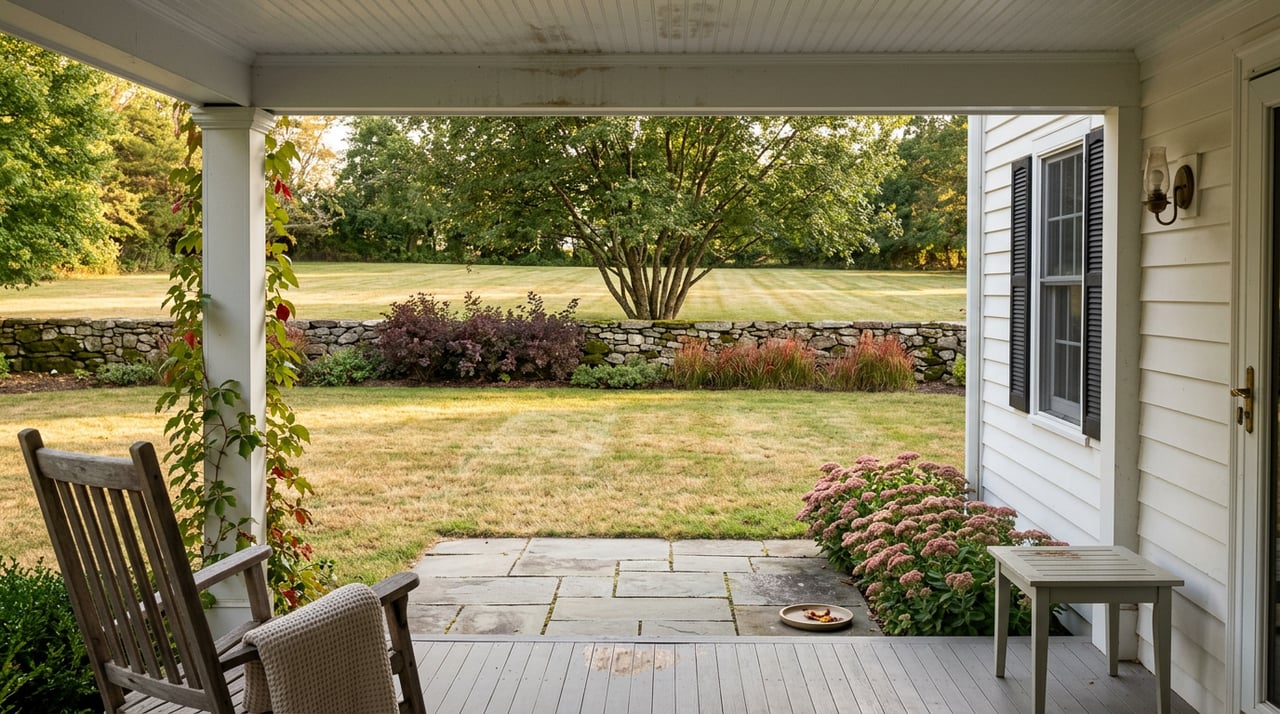
John Jay Homestead’s grounds are open daily from sunrise to sunset for passive recreation. That gives you a simple open-space option close to the village core. It is another reason Katonah can feel balanced for buyers who want both activity and breathing room.
This mix of village life and outdoor access can be especially appealing if you want your weekdays and weekends to stay connected. Rather than driving far for fresh air or local activities, you have several options in the same general area.
Katonah and the NYC Commute
Transit access is another key part of Katonah’s appeal. Metro-North’s Harlem Line includes Katonah as a stop, with service to Grand Central. For many buyers, that connection is a major reason the hamlet remains so desirable.
The train adds flexibility to village living. You can enjoy a smaller-scale setting without feeling cut off from the city. That balance often matters to buyers who want a more grounded home base but still need regular regional access.
Even if you are not commuting every day, rail access can still shape how convenient a location feels. It broadens your options and supports a lifestyle that does not rely on driving for every destination.
What Buyers Should Know About Housing
Katonah is best understood as a character-driven, high-value market. Current market snapshots in the research point to average home values in the low seven figures and limited inventory. The same research also describes the market as very competitive.
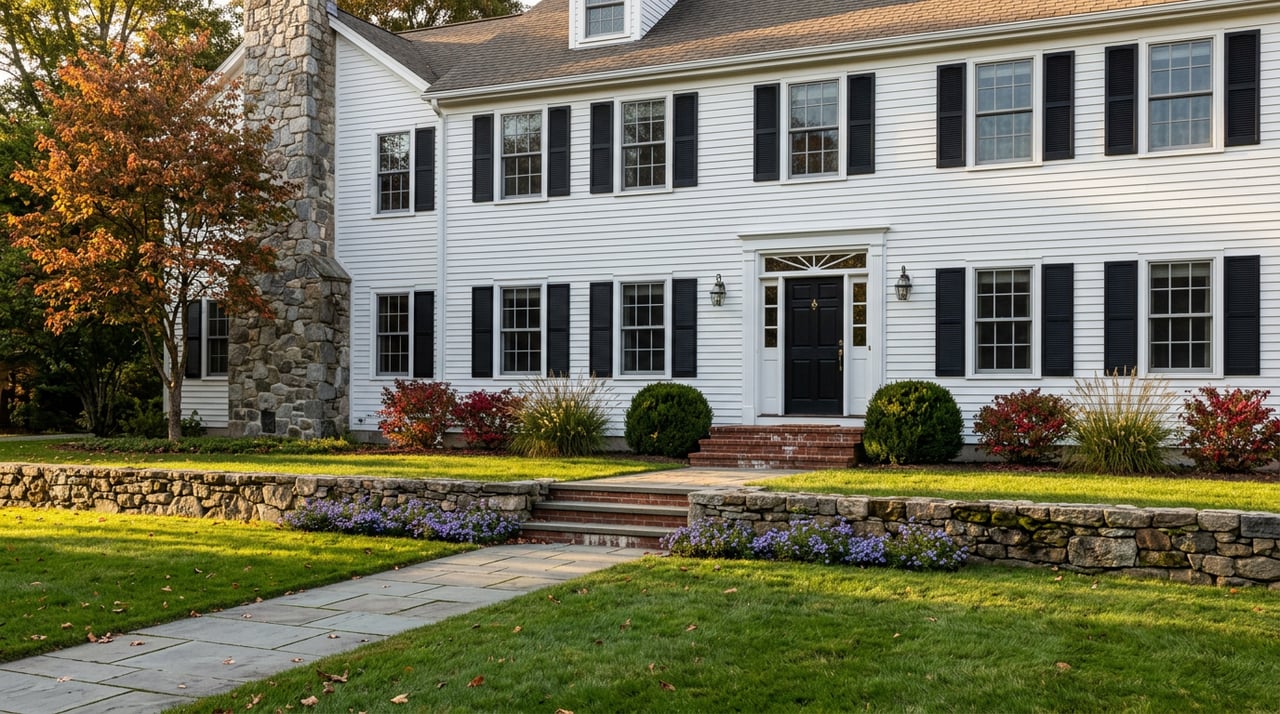
In practical terms, Katonah is closely associated with detached homes and older housing stock, especially in and around its preserved residential fabric. The historic district’s late-19th- and early-20th-century origins help explain why the housing here often feels distinctive. If you are drawn to architectural character and setting, that may be a strong plus.
At the same time, buyers should go in with clear expectations. Lower-maintenance options are typically less common than in denser suburban locations. You may be paying a premium for the combination of history, setting, and convenience.
Who Katonah May Fit Best
Katonah can work well for several types of buyers, but it is not the same fit for everyone. The strongest match is usually someone who values lifestyle, place, and daily ease as much as square footage or price alone.
For first-time buyers, Katonah may appeal if you want train access, a recognizable village center, and a strong sense of place. The tradeoff is that this is not generally an entry-level market, so flexibility on price point and inventory can be important.
For move-up buyers, the appeal often comes from more space, outdoor access, cultural programming, and a community-centered routine. The local public-school district serving the area is the Katonah-Lewisboro Union Free School District, which is part of how many households frame their search here.
For downsizers or right-sizers, village conveniences, rail access, and cultural institutions can be especially attractive. The main challenge may be balancing low-maintenance goals with the realities of older housing stock and competitive pricing.
The Real Appeal of Katonah Living
What makes Katonah stand out is not just one feature. It is the way several strengths overlap in the same place. You get preserved village character, a practical downtown, access to arts and culture, nearby outdoor recreation, and a direct rail connection to Grand Central.
That package can be hard to find in one Westchester location. If your goal is to live somewhere that feels established, connected, and genuinely pleasant to move through day to day, Katonah deserves a close look.
If you are considering a move in Katonah or anywhere nearby in Westchester, working with someone who understands both the market and the lifestyle side of the decision can make the process feel a lot clearer. When you are ready to talk through your next step, connect with Sami Vecchiolla.
FAQs
What makes Katonah village living different from other Westchester communities?
- Katonah stands out for its rare planned-community history, preserved streetscape, compact downtown conveniences, Metro-North access, cultural institutions, and nearby outdoor recreation.
Is Katonah convenient for daily errands and local activities?
- Yes. The Katonah Chamber of Commerce highlights downtown access to groceries, pharmacy, banking, health care, restaurants, beauty services, home and garden shops, fashion, and entertainment, along with recurring village events.
Does Katonah have train access to New York City?
- Yes. Katonah is a stop on Metro-North’s Harlem Line, which provides service to Grand Central.
What types of homes are common in Katonah?
- Katonah is most closely associated with character-driven detached homes and older housing stock, especially within its preserved historic residential fabric.
Is Katonah a competitive housing market?
- Yes. The research indicates limited inventory, average home values in the low seven figures, and a very competitive market environment.
What outdoor amenities are near Katonah Village?
- Nearby options highlighted by the Katonah Chamber include Ward Pound Ridge Reservation, the North County Trailway, Muscoot Farm, Lasdon Park and Arboretum, John Jay Homestead, birding areas, garden tours, and trail-based recreation.
Who is Katonah a good fit for?
- Katonah can be a strong fit for buyers who want a village-centered lifestyle with history, convenience, rail access, culture, and outdoor space, and who understand the tradeoffs of limited inventory and premium pricing.